-
 Canadian dollar
 -
United States (US) dollar
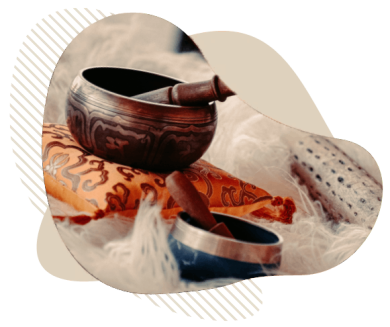
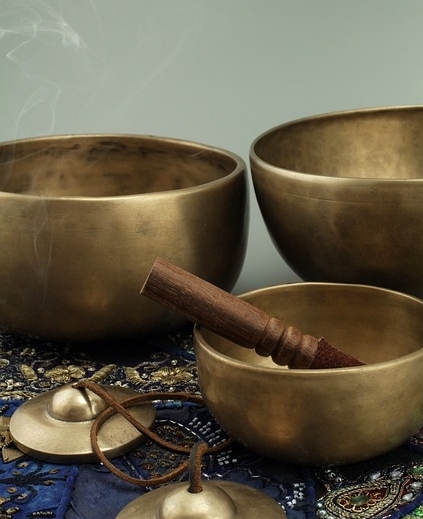
Sound therapy, also known as sound healing or sound meditation, is an ancient practice that has its roots in various cultures around the world. While the exact origins of sound therapy are difficult to pinpoint, the use of sound for healing purposes can be traced back thousands of years.
One of the earliest records of sound being used therapeutically comes from ancient civilizations such as the Egyptians, Greeks, Chinese, and Australian Aboriginal peoples. These cultures recognized the power of sound and music to promote healing, balance, and overall well-being. They used chants, vocal toning, and specific musical instruments to create soothing and harmonious sounds.
In many indigenous cultures, sound has long been believed to possess spiritual and healing qualities. Shamans and medicine men used vocal chants, drumming, rattles, and other instruments to induce altered states of consciousness and facilitate healing in their communities.
In Eastern traditions, particularly in India, sound has played a significant role in spiritual practices for centuries. The practice of Nada Yoga, which translates to “union through sound,” involves the exploration of sound vibrations and their effects on the mind, body, and spirit. Mantras and chanting are integral components of this practice.
In the 20th century, the modern practice of sound therapy began to emerge. Influential figures such as Swiss scientist Hans Jenny and American inventor Nikola Tesla delved into the study of sound and its impact on matter and energy. Jenny’s work with cymatics, the study of wave phenomena, showed the visual patterns that sound vibrations could create in different substances.
Later, pioneers like Alfred Tomatis and Fabien Maman further developed the field of sound therapy. Alfred Tomatis, a French ear, nose, and throat specialist, explored the impact of sound and music on hearing and communication disorders. Fabien Maman, a French musician and composer, researched the effects of sound and vibrational therapy on human cells and found correlations between specific frequencies and healing responses.
Since then, sound therapy has gained popularity as a complementary and alternative approach to well-being. It encompasses various techniques, including but not limited to sound baths, where participants immerse themselves in resonant sounds, and individual sessions using specific instruments like singing bowls, gongs, tuning forks, and voice.
Today, sound therapy continues to evolve, with practitioners drawing inspiration from ancient wisdom, scientific research, and innovative approaches to promote relaxation, reduce stress, enhance meditation, and support overall health and wellness.
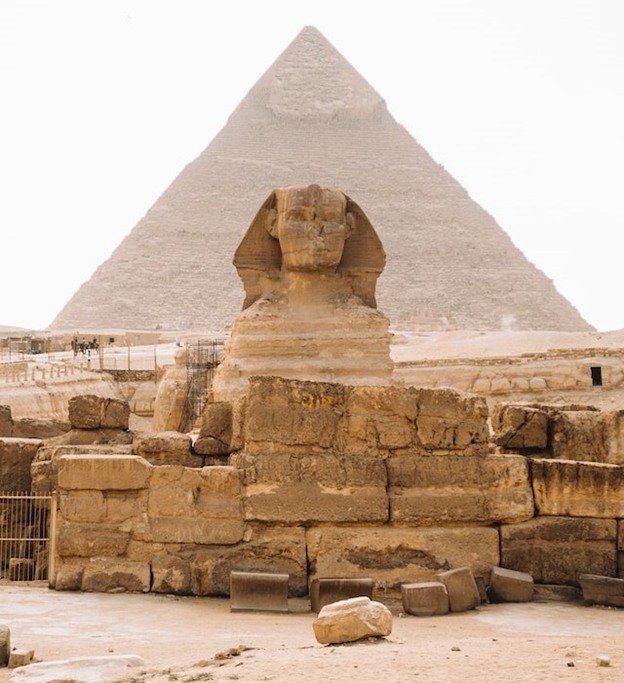
The ancient Egyptians also had a deep appreciation for sound and its potential healing properties. Similar to other ancient cultures, they believed in the power of sound to influence physical, emotional, and spiritual well-being. While some aspects of ancient Egyptian sound therapy are speculative due to the limited surviving records, several practices and artifacts suggest their use of sound for therapeutic purposes:
Ancient Egyptian texts and hieroglyphics depict various healing hymns and incantations that were recited during rituals and ceremonies. These chants were believed to invoke the help of deities and spirits for healing and protection from ailments.
Music played an essential role in religious and ceremonial practices. Temples and shrines used musical instruments, such as harps, flutes, lyre, tambourine, and drums, to create a sacred ambiance during religious rituals. It was believed that the divine frequencies of music could connect with the gods and bring about healing.
The sistrum was a sacred musical instrument in ancient Egypt, often associated with the goddess Hathor, who was revered as a goddess of music, dance, and healing. The sistrum was a rattle-like instrument with metal discs that produced a jingling sound when shaken. It was used in religious ceremonies and believed to ward off evil spirits and promote healing and protection.
Egyptians believed that prayers and mantras had power, and the act of reciting them could invoke positive energies for healing and well-being. Sound was considered a medium through which one could communicate with deities and spirits
Ancient Egyptian priests and healers likely engaged in vocal toning, producing specific sounds and frequencies through their voices. Vocal toning was believed to have specific effects on the body and mind, and it might have been incorporated into healing practices.
The process of mummification in ancient Egypt involved specific rituals and chants during embalming. These practices were intended to help the deceased transition to the afterlife and might have also been considered therapeutic for the grieving living relatives.
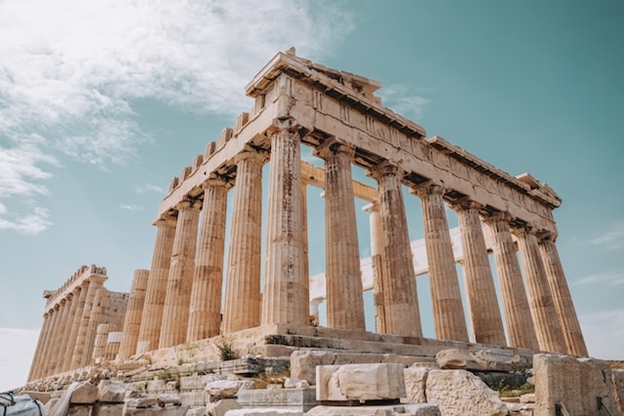
Sound was believed to have therapeutic effects on the body and mind in ancient Greek culture, and it was employed in various forms.
Music played an essential role in ancient Greek society, and it was often associated with healing. The Greek philosopher Pythagoras, who lived around 570-495 BCE, is credited with exploring the mathematical relationships of musical intervals and their potential healing properties. He believed that certain musical scales and harmonies could promote physical and emotional balance. Pythagoras’ work laid the foundation for the understanding of music’s potential therapeutic benefits.
In ancient Greek religious practices, music and chanting were integral components of rituals. Chants, hymns, and various musical instruments were used in temple ceremonies and festivals. These religious practices were believed to invoke the divine and create a sense of spiritual well-being.
Theater was highly regarded in ancient Greece, and performances were an important part of cultural life. Greek tragedies and comedies often evoked strong emotions in the audience, and this emotional catharsis was considered therapeutic. The use of music, sound effects, and emotional storytelling in the theater was believed to have a purifying effect on the soul.
While the term “sound baths” is a modern concept, there are indications that ancient Greeks might have used sound immersion in water as a form of therapy. Certain ancient texts mention the use of musical tones and sounds in water to promote relaxation and healing.
The Australian Aboriginal peoples have a rich cultural history that includes the use of sound for various purposes, including healing and spiritual practices. Here are some general ways in which sound was used by Australian Aboriginals for therapeutic and spiritual purposes:
Songlines are intricate oral traditions that pass down important cultural knowledge through songs and stories. These songs were used to navigate the land, but they also had spiritual significance. Singing and music played an essential role in Aboriginal ceremonies, rituals, and celebrations. The rhythms, chants, and melodies were believed to connect them to the Dreamtime (the time of creation) and the spiritual realm.
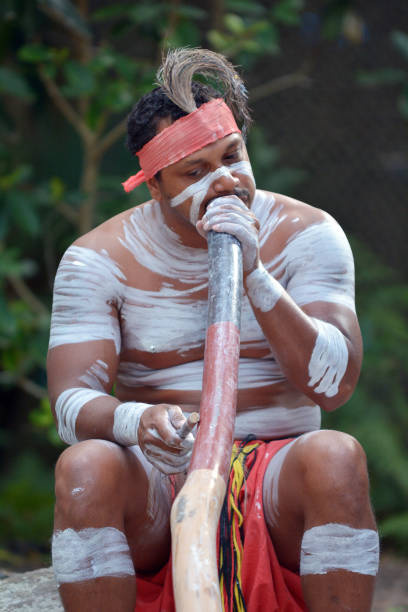
The didgeridoo, a traditional wind instrument, holds great cultural and spiritual significance for Aboriginal communities. It is often used in healing ceremonies and sound therapy. The deep, resonant tones produced by the didgeridoo are believed to have a calming and grounding effect on both the player and the listeners. These sounds may induce a meditative state and promote healing and relaxation. Some studies of the benefits of playing the yidaki instrument have been conducted, one of which is related to asthma management.
See article:
Didgeridoo playing and singing to support asthma management in Aboriginal Australians: https://www.ncbi.nlm.nih.gov/pubmed/20105276
Chanting and vocal sounds were used in various Aboriginal ceremonies, particularly in healing rituals. These sounds were considered powerful and were used to invoke ancestral spirits and healing energies. The rhythmic chanting and vocalizations were believed to cleanse the spirit and promote well-being.
Traditional Aboriginal instruments, such as clapping sticks and other percussion instruments, were used in ceremonies and rituals. The rhythmic patterns created by these instruments were believed to bring harmony and balance to individuals and the community.
Sound was used by Aboriginal peoples to connect with their ancestral spirits and the natural world around them. They believed that everything in the environment had its own unique sound and vibration, and by engaging with these sounds, they could strengthen their spiritual connection.
While not directly related to sound, smoking ceremonies often accompany Aboriginal healing rituals and ceremonies. The smoke from burning native plants, such as eucalyptus leaves, is believed to cleanse the spirit and promote healing.
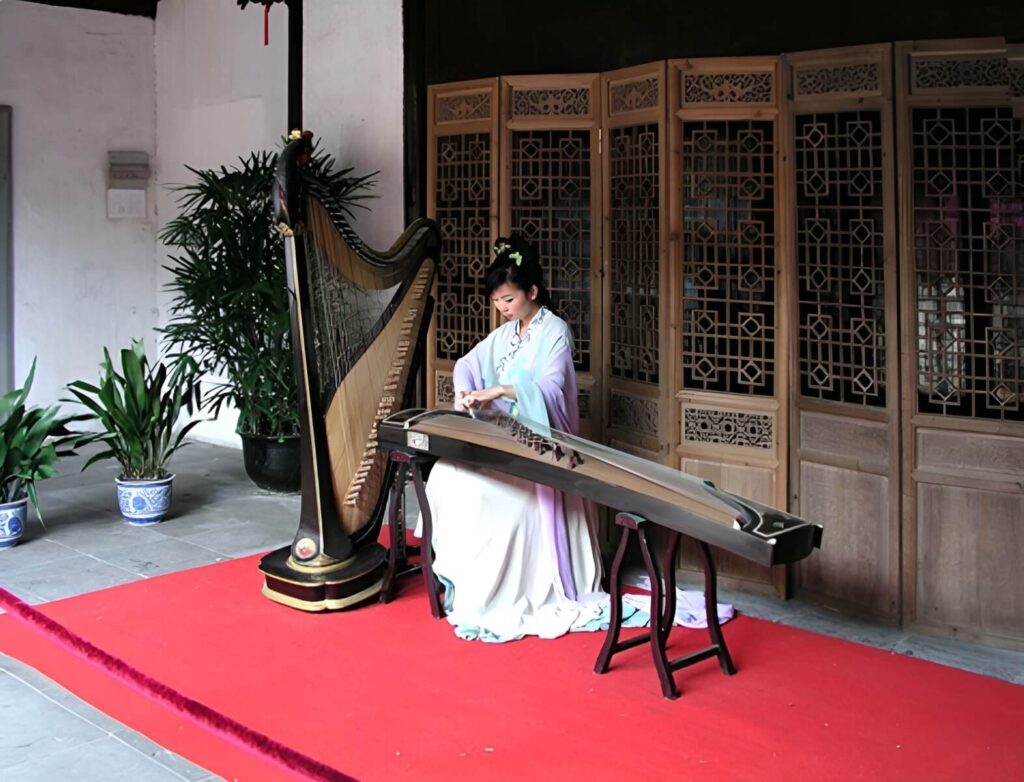
The ancient Chinese had a long history of using sound therapy as a part of traditional medicine and healing practices. Sound has been considered an essential element in Chinese culture and philosophy, and its therapeutic applications have been integrated into various aspects of their daily life. Here are some ways in which sound therapy was used in ancient Chinese culture:
The ancient Chinese believed that the body’s vital energy, known as Qi, flowed through meridians or energy channels. Certain sounds were used in combination with acupuncture and acupressure to stimulate and balance the flow of Qi in the body. This was thought to promote healing and alleviate various health issues.
Sound was incorporated into meditation and Qigong practices to enhance mindfulness and cultivate inner peace and harmony. Meditators and Qigong practitioners often used specific sounds, such as mantras or natural sounds, to focus their minds and achieve a state of deep relaxation.
In ancient Chinese healing practices, vocal sounds were used to produce specific vibrations and harmonics believed to have therapeutic effects. The Five Healing Sounds (Liu Zi Jue) were a set of six healing sounds associated with the Five Elements. Each sound corresponded to a specific organ and was practiced to support its health and function.
Musical instruments, such as bells, gongs, and drums, were used in ceremonies and rituals to invoke positive energies, clear negative influences, and create a harmonious atmosphere. The sounds of these instruments were believed to have purifying and healing properties.
Sound was an essential component of traditional Chinese festivals and ceremonies. During these events, drums, gongs, firecrackers, and other instruments were used to celebrate, ward off evil spirits, and bring good luck and prosperity.
The ancient Chinese believed in the interconnection between the body, mind, and environment, and sound was seen as a way to harmonize these elements and maintain overall well-being. Today, many of these ancient sound therapy practices are still part of traditional Chinese medicine, and they continue to be used alongside modern medical treatments in China and other parts of the world.
Sacred Innovations, your premier destination for precision instruments designed for sound therapy.
Copyright sacredinnovations.ca © All rights reserved