-
 Canadian dollar
 -
United States (US) dollar
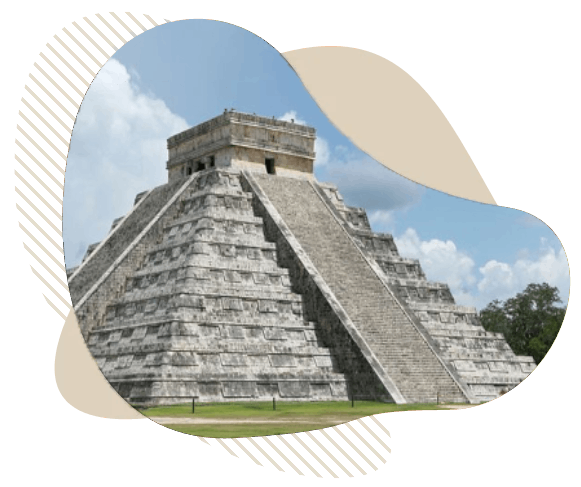
Archaeoacoustics is a multidisciplinary field of study that focuses on exploring the acoustic properties and soundscapes of archaeological sites and ancient structures. it combines elements of archaeology, acoustics, anthropology, and another scientific disciplines to investigate how sound was utilized and perceived by ancient civilization.
Key aspects of Archaeoacoustics include:
Archaeoacoustics researchers analyze the acoustic environments of archaeological sites, including ancient temples, tombs, caves, and other architectural structures. They seek to understand how sound traveled within these spaces and how it might have been used for ritual, communication, or cultural purposes.
Archaeoacoustics may involve the study of ancient musical instruments, such as drums, flutes, or bells, to understand their significance in ancient cultures and hoe they contributed to the acoustic properties of specific sites.
Researchers investigate the acoustic phenomena of echoes, resonance, and reverberation within ancient spaces. These acoustic effects could have had symbolic, religious, or practical significance for the people who used these space.
In some cases, archaeoacoustics involves conducting experiments with sounds to recreate and understand how ancient soundscapes might have functioned. This can include using replicas of ancient instruments or vocalizations to test the acoustics of archaeological sites.
Archaeoacoustics studies aim to uncover the cultural and ritualistic importance of sound in ancient societies. This includes examining how sound was integrated into religious ceremonies, healing practices, or other cultural events.
Modern technology, such as computer modeling and acoustic measurements, plays a crucial role in archaeoacoustics. Researchers use these tools to simulate and analyze the acoustic properties of ancient sites, providing insights into how sound behaved in these environments.

Archaeoacoustics can shed light on the sensory experiences of ancient peoples, helping us better understand their cultures, rituals, and social practices. It offers a unique perspective on the past, allowing us to explore the ways in which sound and acoustics were an integral part of ancient life and architecture.
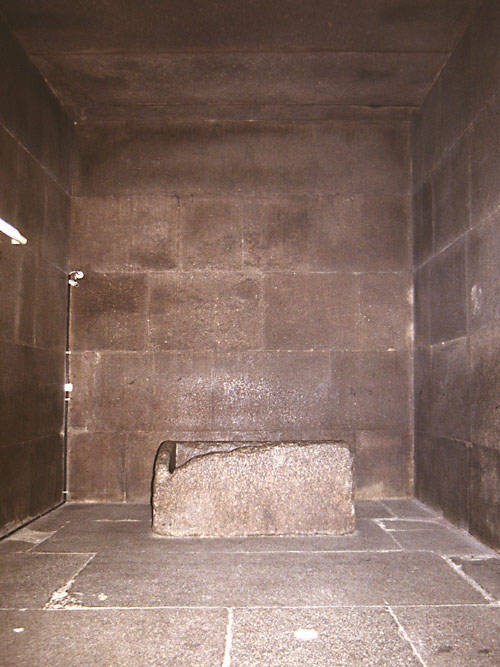
In 1996, acoustics researcher John Stuart Reid carried out a series of sound experiments inside the King’s Chamber of the Great Pyramid of Giza. Using precision audio equipment, he discovered that the chamber responds most strongly to sound waves near 125 Hz, a resonance later refined by analysis to around 121 Hz.
Further tests on the granite sarcophagus within the chamber revealed a similar resonant peak, close to 117 Hz. This near match suggests that both the chamber and the sarcophagus may once have been acoustically tuned to the same frequency—an alignment that could have been altered when the sarcophagus suffered structural damage to one corner. Even today, the two structures remain closely linked: sounds produced in the chamber can cause the sarcophagus to subtly vibrate, as their fundamental tones differ by only a few hertz.
During the experiments, Reid noted an even more remarkable phenomenon. At specific frequencies between 193 Hz and 276 Hz, the sarcophagus began to oscillate rhythmically—almost like the beating of a heart. This effect led him to reflect on the possible symbolic meaning behind the chamber’s acoustic design. Since the primary frequency of a newborn baby’s heartbeat is also centered near 125 Hz, Reid speculated that ancient Egyptian architects might have intentionally created this acoustic resonance to evoke themes of renewal and rebirth, perhaps as part of ceremonial rituals honoring the transformation of the pharaoh.
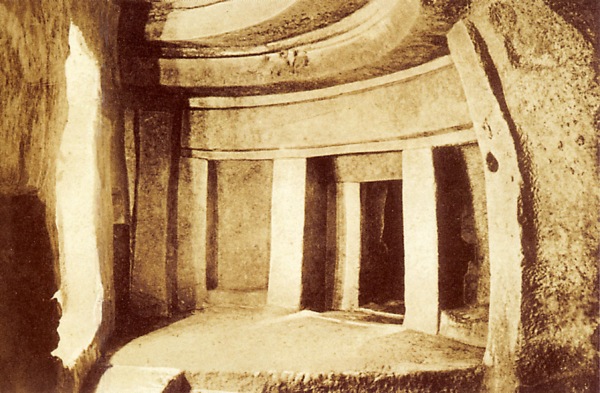
The Hal Saflieni Hypogeum stands as a cultural treasure of unparalleled prehistoric significance, dating back approximately 5,000 years and representing the sole known example of a subterranean structure from the Bronze Age. Often referred to as a ‘labyrinth,’ it comprises a series of elliptical chambers and alcoves of varying importance spread across three levels, accessible through a network of intricate corridors. The primary chambers distinguish themselves with their magnificent domed vaults and intricately designed false bays, reminiscent of the doorways and windows seen in contemporary terrestrial constructions.

Sacred Innovations, your premier destination for precision instruments designed for sound therapy.
Copyright sacredinnovations.ca © All rights reserved